

Introduction
Not all Paint protection films (PPF) is equal. Supplier quotes can range from a few hundred to several thousand dollars per roll, and the cheapest often comes with a hidden price tag: yellowing, cracking, or delamination within months. That leads to angry customers, chargebacks, and costly rework.
For installers, dealerships, or distribution brands, the real question isn’t “What’s the price per roll?” It’s “Does this price reflect genuine quality?”
To answer that, you have to look beyond the invoice. This article breaks down every cost component, TPU substrate, coating technology, adhesives, production yield, certifications, and logistics. So you can read supplier quotes like a procurement expert and avoid expensive mistakes.
Overview of PPF Costs
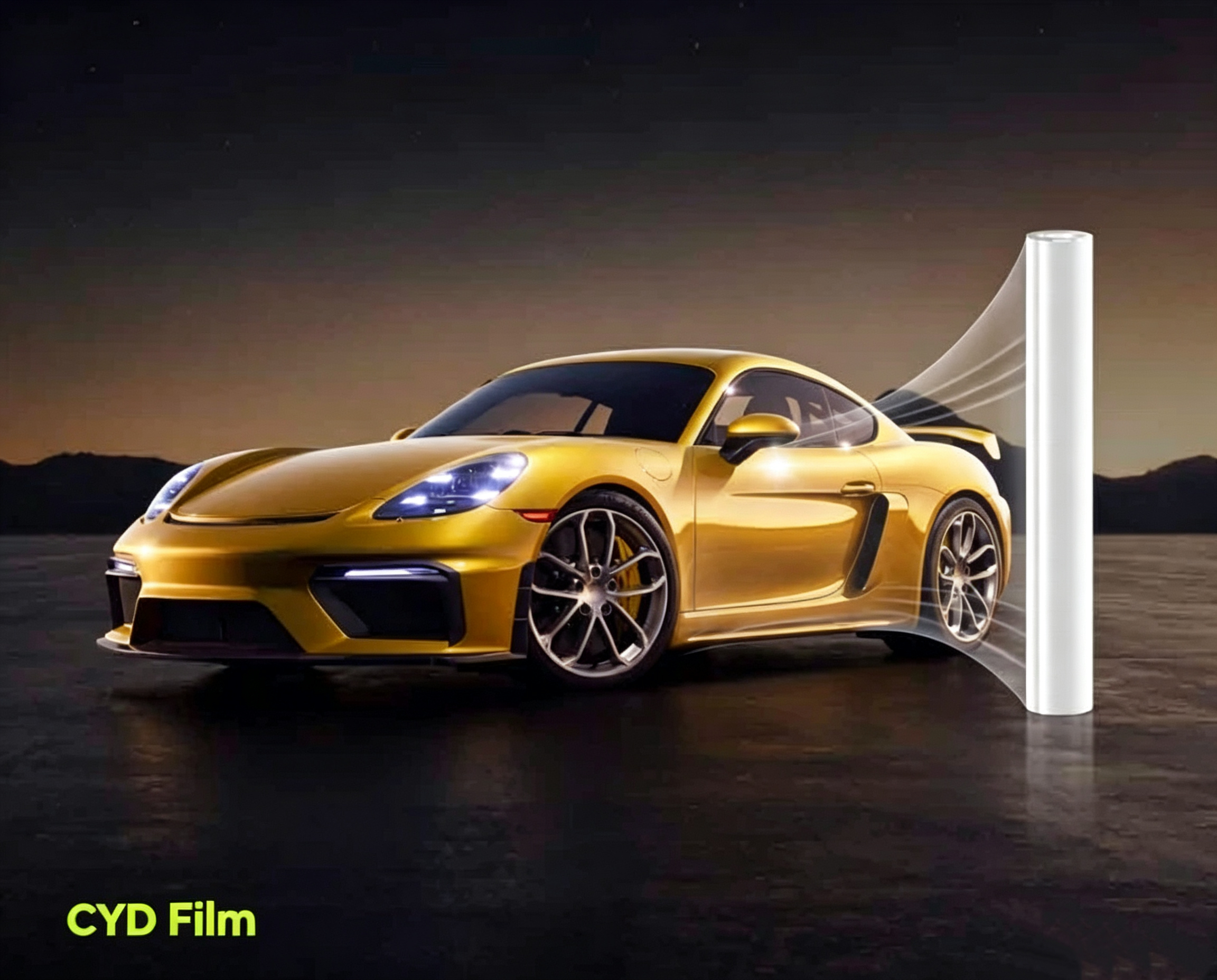
Whether you require window tint films, vehicle protection solutions, self-healing PPF, or branded products such as XPEL wrap, understanding the underlying cost structure can help you make better purchasing decisions. Using high quality PPF as an example, the cost breakdown is as follows:
- Base film (TPU substrate): Car film solutions can be made from either polyvinyl chloride (PVC) or thermoplastic polyurethane (TPU). Earlier generations of paint protection films often utilized PVC-based materials. Nowadays, it is opted for as a low-cost alternative. However, these materials generally offered lower resistance to environmental wear compared to TPU-based films. Today, TPU is generally encouraged in the market because PVC associated problems like yellowing, minimal flexibility and durability are out of the question. High-end PPF uses TPU as the substrate and it takes up 30–35% of the overall cost.
- Coating (self-healing top coat): TPU is reinforced with other layering products to produce certain kinds of finishes. Premium PPF products feature self-healing coating layers that can reduce the appearance of minor surface scratches when exposed to heat. Clearly Pro and other top manufacturers also offer specialized finishes such as matte PPF, satin PPF, and coloured PPF, variants designed for specific aesthetic and performance requirements.
- Adhesive (repositionable adhesive): Repositionable adhesives are pressure-sensitive adhesives that allow the film to bind with the car paint. It also allows for clean removal without affecting the paint. Premium adhesives offer bond strength that ranges between 0.0753MPa-0.17MPa over time. Adhesive rolls cost $100 -$150 per roll and make up 5–15% cost depending on how much is needed.
- Equipment & production: Carefully curated machinery and specialist tools are selected by top brands to give the best films and tints. PPF application tools include sprayers, testers, stands and other accessories. Total cost of ppf equipment including production ranges from 10–15% of the total ppf cost.
- Certification & testing: The extensive testing of premium paint protection film products assure buyers that the durability, clarity, UV resistance, self-healing performance, and adhesive reliability are verified and can be trusted. Quality control systems, inspections, and compliance procedures help ensure consistent performance. They account for approximately 5–8% of the total cost of production.
- Logistics & warehousing: After production, PPF film must be packaged, stored, and transported carefully through distribution networks to the installers and customers. Movements such as shipping, warehousing, inventory management, and packaging costs range between 5–10% of the total cost.
- Profit margin: This is an essential part of the PPF film production that supports business operations, customer service, research, and product innovation. Profit margins generally account for 15–20% of the total selling price, although this depends on the manufacturer and their sales channels.
Substrate Cost
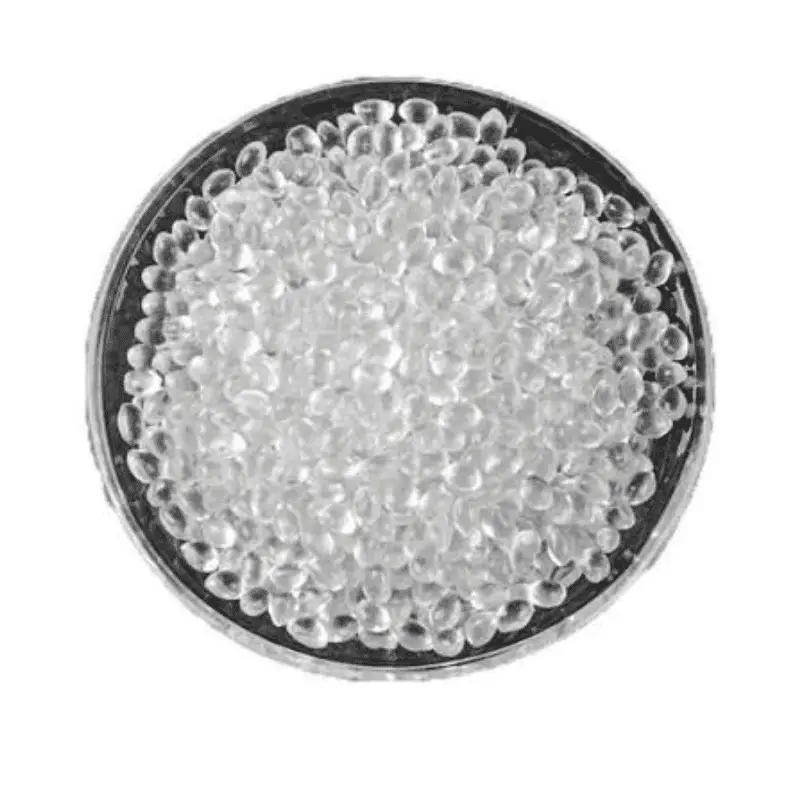
PPF substrate cost can be discovered in the TPU source quality. They are;
TPU Raw Material Sources
Lubrizol provides greater molecular glue and increased resistance to environmental conditions, making it the most trusted PPF film material. Huntsman/BASF’s TPU PPF film maker is known for its excellent firmness and flexibility, perfect for extreme and off-road use, while also boasting high resistance to chemical damage and UV rays. Recycled TPU PPF material, made from reprocessed industrial waste, offers a more affordable, eco-friendly alternative to virgin material.
TPU Material Performance Differences
These differences are seen below:
Lubrizol TPU vs. Generic TPU
Lubrizol TPU PPF film costs 2 to 3 times more than generic TPU PPF film, but the difference is dominantly seen in the performance. Lubrizol PPF offers superior UV resistance and exceptional self-healing, maintaining clarity and finish for 5–7 years longer than generic options. Generic TPU PPF film often uses inferior installations with lighter, less durable coatings, which results in visible yellowing within 3–6 months and cracking within a year.
Thickness
PPF thickness is weighed in mils and the best car films range from 6 to 10 mils. 6 mil is the entry-level requirement, suitable for daily urban touches. 8 mil is the industry specification, providing impact resistance and flexibility for most vehicles. 10 mil offers enormous car paint protection for high-speed or rough road conditions but requires advanced installation skills, especially for complex curves and edges.
Sourcing Tips
Always request proof of TPU PPF film source, and if the salesperson cannot name a verifiable supplier like Lubrizol or BASF, such a source can’t be trusted. Check if the supplier is a true PPF TPU film manufacturer by requesting technical data sheets and a factory tour. Ask for ISO 9001 certification and third-party test reports encapsulating UV stability and strong flexibility. Confirm whether the TPU is virgin or recycled, and never accept “imported TPU” as a sufficient answer for the source.
Coating Technology and Cost
Automotive coating technology has advanced beyond simple surface painting; when integrated into paint protection films for cars, it now combines multilayer coating systems that shape durability, aesthetics, and even cost. CYD Film’s innovative Polyoptico™ coating, for example, uses an inorganic metal compound that forms a dense cross-linked polymer network. This creates an exceptionally smooth, high-gloss surface that resists stains and heals scratches effectively. Such technology costs more to produce, but delivers measurable durability that cheaper alternatives simply cannot match.
The price gap between these coatings is not only about the brand; it reflects differences in formulation, raw material quality, curing techniques, layer structure, coating thickness, and performance stability when exposed to heat, UV, or water.
Understanding these distinctions helps explain why coating technology costs differ for various products.
Self-healing Coating
In modern automotive protective film, self-healing coatings are formulated to minimize or remove subtle swirl marks and light abrasions through elastic recovery of the top layer. In manufacturing terms, the curing process significantly determines the cost. Single-layer coating is very cheap and simple, but it lacks the enhanced durability that a two-stage curing process (with its first layer fully set and cured before another protective layer is added) can increase the cost of production to 20-30%.
Although, not all self-healing coatings perform to the same degree in real-world usage. Lower-quality formulations may lose their durability and self-healing ability in six months, especially when exposed to constant washing and high temperatures. A field check often used by retailers is applying low heat (around 60 °C using a heat gun) to observe whether light scratches disappear within 60 seconds. If this happens, the coating is widely regarded as functional and has adequate self-healing performance.
Hydrophobic and Anti-fouling Coating
Beyond self-healing performance, hydrophobic technology is another key consideration that separates advanced PPF systems from lower-cost options. Manufacturers of high-quality automotive paint protection products rely on sophisticated nanoparticle engineering to build surfaces that effectively repel water, dirt, and contaminants on the road.
The efficiency of this feature mainly depends on how consistent these particles are distributed all through the coating layer. When dispersion is uniform, the automotive paint protection coating maintains its ability to repel water for a longer period helping the vehicle stay cleaner while reducing maintenance cost. This is a major reason why premium paint protection film for cars and automotive protective film technologies are higher in price.
At the outset inferior coatings may provide remarkable water beading but their performance tends to deteriorate quickly after about 3-5 washes. Water droplets may spread unevenly across surfaces or stick to the site reducing the anti-fouling benefits and its protective performance.
Anti-UV Coating
UV resistance is another important determinant of coating cost, mainly because UV protection keeps the long-term appearance and cohesive strength of the film itself.
Quality surface protection films and paint protection coating systems typically integrate UV absorbers that protect the underlying material from continuous UV exposure. These protective compounds increase the cost of manufacturing but substantially enhance durability.
Without adequate UV protection, a high-gloss car transparent protective film can progressively deteriorate and lose clarity, as UV radiation increases oxidation and material degradation. This results in discoloration and yellowing in the space of 12-18 months, especially in lower-cost products. Although UV stability results in a cost difference of 15%, it is an important feature that differentiates quality automotive protective film solutions from low-budget alternatives.
PPF Adhesive cost
Although technology determines the surface performance of a film, the adhesive layer is equally critical in the performance level and durability of paint protection film for cars. Quality adhesive helps the film stay firmly bonded to the vehicle while ensuring clean and smooth removal when necessary.
In the manufacturing of premium automotive protective film, adhesive selection is a vital cost factor because it influences installation efficiency, life span of the PPF system, and customer satisfaction.
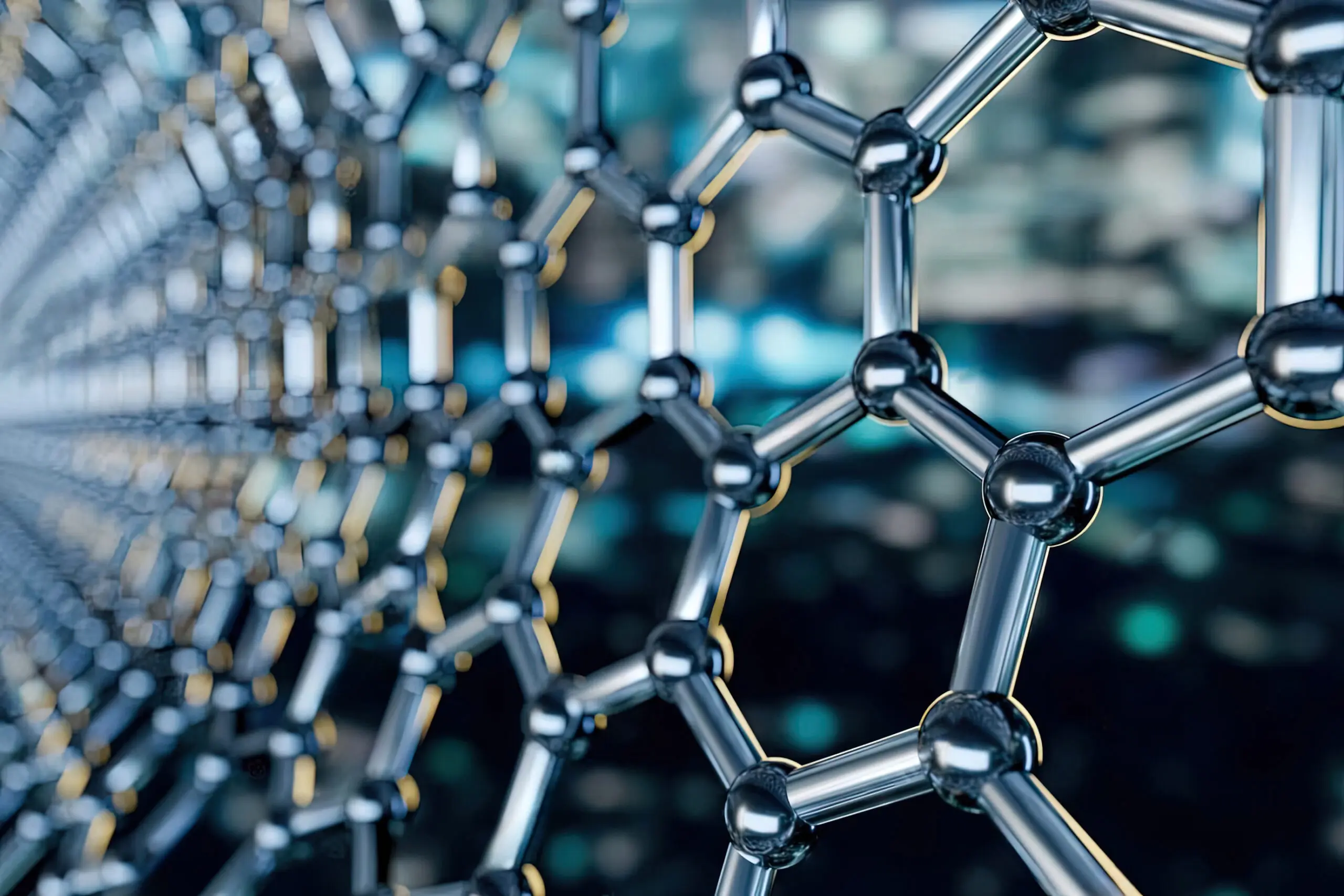
CYD Film solves these with Invisiglue™ adhesive technology. By formulating high-molecular polymers that maintain low initial viscosity without compromising cohesive strength, Invisiglue™ allows installers to reposition freely during application, while ensuring a crystal-clear, glue-line-free bond that stays secure for years—and removes cleanly when needed.
Source of Paint Protection Film Adhesives
The source of adhesive is one of the parameters that distinguishes quality from lower-grade options. Reputable suppliers like Ashland and 3M have earned strong credibility over years of development and market certification, which is evident in their higher pricing.
Equally, some domestic manufacturers have also made substantial progress with some formulations tending towards imported standards, providing a more competitive cost performance ratio.
Nevertheless, not all adhesives yield the same results. Lower-cost compositions may reduce purchasing expenses by as much as 50%, but these savings usually come at the expense of long-term performance. Also, adhesive residue after removal of film is very common with inferior products, increasing the time needed for clean up, thereby affecting user experience.
Types of PPF adhesive
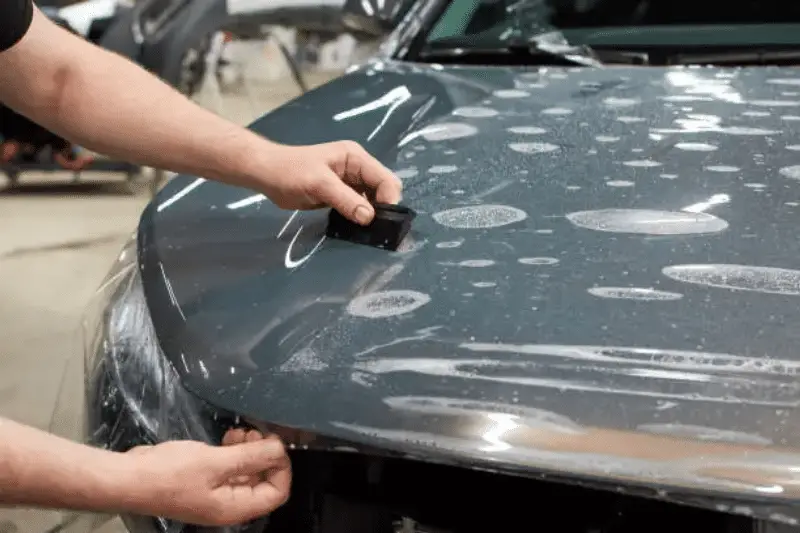
The various adhesive technologies are developed to meet different installation and performance standards. Traditional acrylic adhesives are very economical, but they are more prone to bubbling, lifting, or residue issues in the long run. Most high-performance car PPF film products employ low-initial-tack adhesives that allow installers to realign the film during application. This flexibility improves accuracy in installation while reducing the possibility of errors in alignment, making it a top choice for high-quality protective film PPF systems.
Likewise, pressure-sensitive adhesives (PSAs) stand in another important category: they are designed with specific peel-strength properties to give secure bonding and clean film removal when replacement is needed.
The right balance between adhesion and ease of removal is important for efficiency in installation and customer satisfaction.
Using inferior adhesives is not worth the effort.
Low-quality adhesives eventually lead to increased expenses later on. They result in surface distortion known as the “orange peel” effect, decreasing the appearance of a clear protective film automotive installation. Low-quality adhesives can also increase time and rate needed for rework, with the cost of labor going above 15% due to corrections in installations. Also, residual adhesives may require chemical removal when replacing the film, increasing the likelihood of complaints and warranty costs.
Inspection and testing.
Leading manufacturers depend on comprehensive testing before selling a product to the market. Peel-strength is measured in grams per inch (g/in), providing a standard for adhesive performance. Durability is evaluated through an environmental aging test, which includes exposure to heat (85°C) and high humidity(85%) for seven days.
For automotive protective film solutions, objective test data provides more detailed and reliable metrics of quality than unverified market claims.
Equipment and Yield Rate
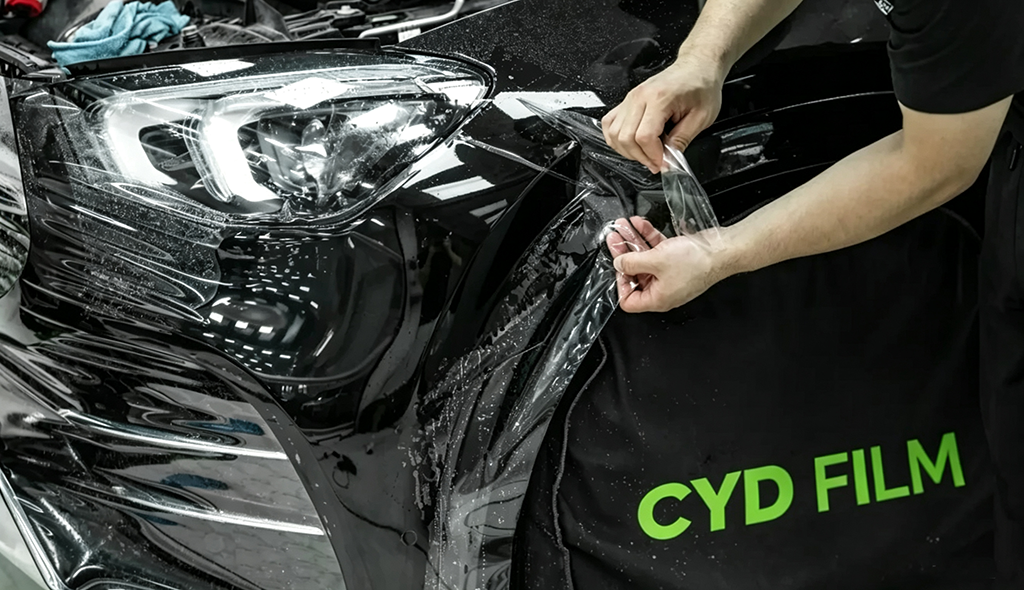
When buyers compare paint protection film prices, they focus on the finished installation cost without considering the sophisticated equipment and manufacturing processes behind the product itself. The reality is that a significant portion of the cost of a premium PPF is a combination of different factors like the machinery, technology, and production efficiency. All of these are required to create a high-performing film.
Manufacturers, like CYD Film, ensure that there is consistency in the quality of the product. This is the reason they invest heavily in precision production equipment, advanced coating lines, automated inspection systems, research facilities, and dust-free clean rooms. None of these technologies can be taken out of the entire process. They are essential for producing automotive paint protection film that is durable, has aquaphobia properties, and self-healing properties. Every step of this production must be carefully controlled so that any defect that could affect the film’s performance or appearance can be eliminated.
Yield rate is another important factor that directly influences the cost of production. Yield rate is the amount of usable paint protection film that is gotten from raw materials during manufacturing. During this process, even a little contamination, imperfections, or consistencies can reduce the result of the usable output and also increase the production expenses. To maintain a high standard result, premium manufacturers, such as CYD Film, conduct rigorous and careful quality checks and take out any materials that do not match the standard specifications.
Paint protection films (PPF) like Coloured PPF and satin PPF, and others are specialized films. As a result of this, they often require additional processing steps and tighter quality tolerances. These requirements are so important that they can further affect the efficiency of every production and material yield, later contributing to a higher total cost.
For buyers, this means the price of a paint protection film for cars reflects much more than the raw material itself. Considering all of the total investments, the behind-the-scenes elements help ensure that the final product delivers reliable car paint protection, performance consistency and a longtime value throughout the life of the vehicle.
Certifications and Testing
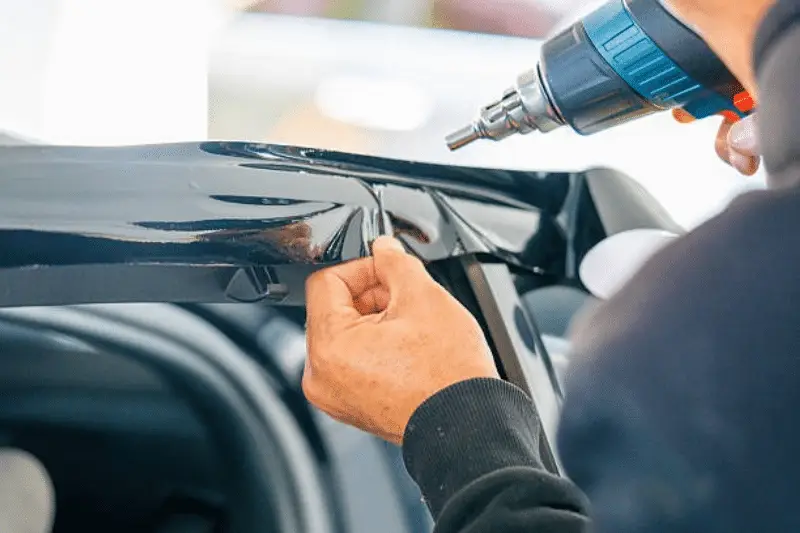
Another factor that affects the cost of paint protection film is the extensive testing and certification process required to verify and approve the performance of the product. PPF is expected to have high quality and to withstand years of exposure to sunlight, moisture, road debris, chemicals, and any environmental contaminants, yet maintaining its appearance and protective properties.
There are a series of laboratory and practical evaluations any PPF product must undergo before reaching the market. Manufacturers always have to test the product for gloss retention, optical clarity, stain resistance, self-healing properties, impact resistance, hydrophobic performance, and resistance to yellowing. All of these tests will help determine how well the film will function under a demanding condition and over extended periods of use.
Testing is particularly important for automotive paint protection film products. Verifying that minor scratches can recover effectively, that the adhesive will remain stable after a long time, that the film will maintain its transparency without losing colour, is an action manufacturers must take. Testings are used to predict practical performance.
Internal quality control programs and quality certifications also contribute to production costs. Ideally, manufacturers invest in testing the equipment, have professional quality management teams, and to inspect automated systems across every batch of film. If after conducting these tests, some products fail to meet the established standards, they are removed from production. This helps maintain reliability and customer confidence.
Certifications and testing procedure, for consumers, provides them with an assurance that the paint protection film has been engineered in a way that is durable and performs long-term. There are cases that lower cost alternatives may reduce upfront expenses, but it is soon obvious that they often lack some level of documented testing and quality verification. For this reason, buyers pay for the confidence that the product has been thoroughly evaluated, validated, and designed to provide a dependable vehicle paint protection for years to come.
Logistics and Warehousing
The premium nature of PPF for cars is apparent both in its purpose and in what it demands when being transported from one end to another. In itself, the PPF is delicate and fragile; in use, conversely, it offers durability.
The consequence is that improper handling of the PPF films during logistics and storage may result in a reduction in their intrinsic properties. Therefore, logistics and warehousing are vital in determining PPF rolls that deliver or underperform upon their arrival.
Special Logistics Requirements for PPF
Temperature-controlled storage of 15°-25°: Temperatures above this range subject the PPF to the risk of adhesive denaturation (particularly during summer), which accrues irreversible structural damage to the film’s acrylic adhesive layer. Loss of bonding power and cloudiness are typical side effects.
Avoid pressure curling: When PPF is stored or transported flat (flat pressing), rather than upright (upright stacking), the bottom rolls are subject to immense compressive gravity, which causes irreversible pressure curling, tunneling, and edge indentations that degrade the film’s adhesive layer.
Moisture-proof packaging: Combining aluminum foil bags with desiccants provides an airproof protection layer against the entry of mist or oxygen, which could cause swelling or cloudiness in the film.
How does this affect the cost?
Standard logistics (room temperature, mixed shipments): This is cheaper, but invariably offers no real-time protection against avoidable environmental hazards. Damages that are associated with the standard logistics options often include water stains or adhesive marks upon arrival.
Dedicated cold chain/temperature-controlled vehicles: This may incur some additional 15-30% freight, but the films will be delivered exactly as the factory manufactured. It guarantees no damage to the physical, chemical, and structural components of the PPF.
When drafting and signing your purchase orders and contracts, always have your suppliers include specific transportation and warehousing conditions of the products. They should also include the “arrival appearance, and adhesive performance standards” of the PPF upon delivery.
The True Cost of Cheap PPF
One of the most common questions we’ve received over the years is, “What makes PPF so pricey? After all, isn’t it just to apply a “PPF coat” over my car?” Well, not really.
The cost of a genuine PPF is the cumulation of many individual, necessary costs. The premium raw materials, labor-intensive installations, specialized tools, etc., are core factors that contribute to the overall price tag.
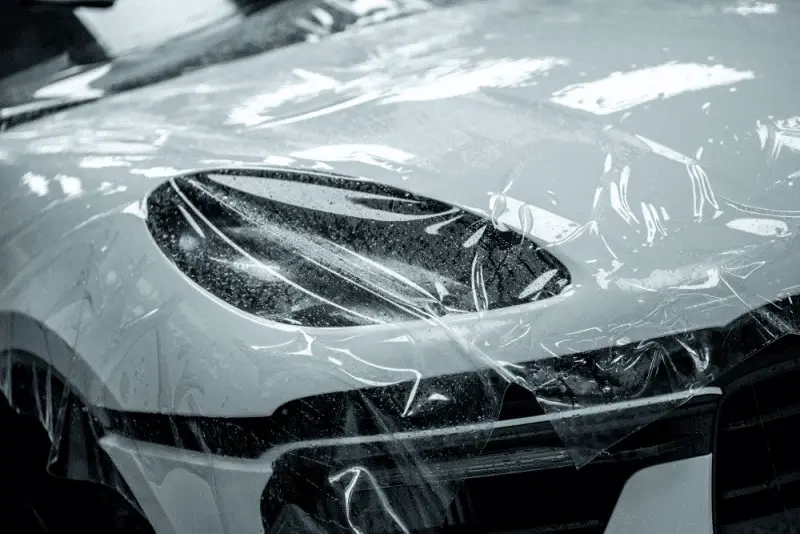
On the other hand, cheap PPF is entirely built on a foundation of compromise in the quality of the PPF films and equality to premium PPF in the area of personal profit (through the installation labor cost) to the PPF installers, vendor, or supplier. However, experience shows that going for the cheap option in PPF always follows this precise template:
| Cost Category | Premium PPF | Cheap PPF |
| Initial Procurement Cost | Pricier | Cheaper |
| Installation Labor Cost | Same | Same |
| Rework Rate (Due to Adhesive/Orange Peel) | Low | High, and obvious |
| Customer Complaints/Compensation | Rare/few | Very frequent, based on the poor performance, yellowing, spell cracks, and peeling of the films. |
| Repurchase Rate After 1 Year | Low | High, inevitable |
| Total Cost of Ownership | Lower | High, due to the unavoidable cost of periodic replacement, adhesive correction, and costly vehicle repainting. |
What seems to be your advantage or savings by going for cheap PPF is immediately and excessively undone once the rework rate sets in. Due to the failure of weak adhesives in the films, visual distortion (orange peels), cheap PPF ends up being notably more costly than premium PPF over the same period of time.
So instead of asking and focusing solely on the initial procurement cost (the first and most obvious cost), the total cost of ownership, which holds both obvious and hidden costs, is where the real and long-term profits lie.
Price Comparison by Sourcing Channel
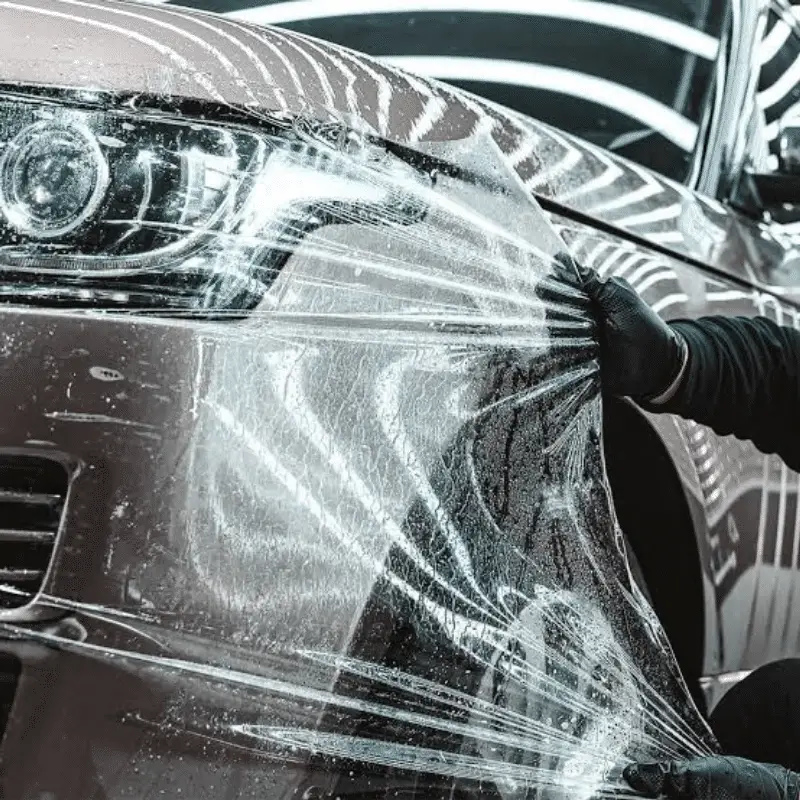
Where you buy your PPF film determines your price and what you get for the price. These channels include;
Source Factory / Brand Owner
This is the most direct source of paint protection film for vehicles. Here, the purchase is made from the manufacturer directly. CYD Film is an example of a source factory. Buying at this level gives access to customised PPF technology directly, without intermediaries.
Brand Distributor (USA/Europe)
This channel buys from the PPF source factory and resells in global/regional markets. The selection of purchase depends on whether retail or B2B programs are preferred. Prices of car film are higher than brand owners’ but have regional support, faster logistics, and warranty backing.
Cross-Border E-Commerce (Alibaba/1688)
E-commerce sources like Alibaba and 1688 usually offer lower prices because their products are sourced directly from PPF manufacturers. However, pricing differs based on quantity of order, product specifications, and shipping costs. Buyers may, also, face challenges related to quality consistency, poor communication and longer delivery.
Secondary Distributor / Retailer
This channel usually has the highest PPF car prices due to many layers of middle chains. Retailers incur additional costs such as store management and customer service. The benefits are convenience, immediate availability, and local support.
OEM Customization
Sourcing OEM or ODM PPF directly from PPF films manufacturers gives consistent quality control, cuts out middlemen for better pricing, and allows private label customization. However, pricing is generally higher than standard products because of customization costs, and order quantity requirements.
How to Judge If a Quote Is Fair
A quote is fair if it has satisfied the following conditions:
Request a bill of materials
Ask for a bill of all the materials used for protective film solutions. Ensure they are marked up rationally. Check the materials’ specifications, and vary their price differences too. Remove vague entries that lack clear justification.
Request Test Reports
When evaluating a PPF quote, ask for third-party testing results and quality certifications like OEM and ASTM that approve the PPF’s durability. These certifications confirm the film’s durability and performance claims.
Calculate the “Effective Cost per Square Foot”
Divide the total cost of quote for the car paint film by the total square foot, then, compare it with current market rates. If the number falls outside the expected range, ask for a detailed breakdown before purchasing.
Request Quotes from Three Customers for Comparison
Get at least three written quotes from different customers to compare prices effectively. Each quote should indicate all associated PPF costs. Consider the average across three.
Assess the Rework Rate and Batch Output Stability
Ask about the rework rate because cheaper paint protection films from less professional manufacturers decline from batch to batch, causing installation problems and long-term issues. Excellent PPF films manufacturers, on the other hand, produce quality films, maintaining consistency with every batch.
Cost Optimization Strategies
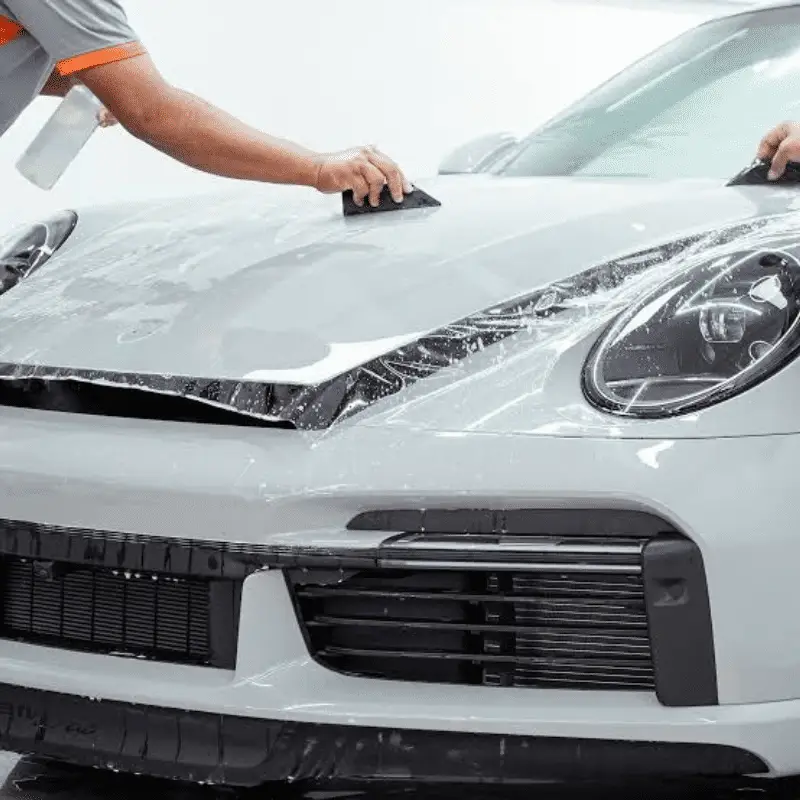
Test Before You Buy
Before you buy a product, physically evaluate the quality of the paint protection film. Place the product under natural sunlight, to confirm thickness and clarity. A quality PPF must be high-impact resistant, optically clear, self-healing, have no orange-peel surface, and lack haziness. Also, test the film’s material flexibility to confirm it can absorb stone chips perfectly.
Take Samples for Yellowing/Residual Adhesive Testing
One of the signs of low-quality paint protection film is yellowing. It occurs when the car paint protection can’t resist prolonged UV rays and aging. To avoid this, test samples with the UV aging test equipment, exposing them to long-term sunlight replicates. Additionally, conduct a 180-degree peel test for residual adhesiveness. CYD Film’s Non-Yellowing Optical TPU is designed around this exact parameter: hold clarity over time without sacrificing the softness and stretchability that makes installation faster and finish cleaner. When your installer spends less time fighting the film, your rework rate drops and customer comes back.
Calculate the Total Cost of Ownership (TCO)
When calculating the total cost of ownership, go beyond the upfront price. Calculate the full cost across acquisition, car paint protection film quality, maintenance, and final removal. A cheap car film that yellows or damages paint on removal costs far more than a premium installation done once and maintained.
Implement a Dual-Supplier System
Relying on one PPF supplier risks supply shortages, price hikes, and quality reductions. Employing two independent paint protection film suppliers keeps your business running during disruptions, and lowers costs. Ensure both sources are genuinely independent because two distributors supplying the same PPF film brand do not count as a dual system.
Conclusion
Paint Protection Film is more than a roll of plastic. It’s a long-term investment in your customers’ vehicles and your business reputation. When a film fails, it doesn’t just disappoint the car owner; it erodes the trust you’ve worked hard to build.
As we’ve seen, the final price tag reflects far more than raw materials. It’s the sum of TPU grade, coating sophistication, adhesive reliability, production precision, testing rigor, and logistics care. Each component has a cost floor beneath which quality simply cannot be delivered. That’s why the cheapest quote is rarely the best value.
CYD FILM is a trusted PPF manufacturer specialising in innovative automotive protection films for vehicles. Leveraging the latest technologies, CYD FILM combines crystal-clear optical quality with long-lasting durability to meet your car protection needs consistently. Ready to protect your vehicle? Contact CYD Film for wholesale PPF pricing & free sample testing