



Choosing a paint protection supplier for your business is like looking for a long-term partner: you want someone who elevates your brand. With the right supplier, your business will grow and expand its consumer base, while working with the wrong one will damage your reputation, impact your downline, and waste time.
If you’re a startup distributor looking for your first supplier, a shop owner considering switching manufacturers, or an OEM brand introducing a new product, this article is for you. We’ve outlined what to look for in a PPF supplier, along with key questions to ask and red flags to avoid.

Product Quality
Quality is one of the most important aspects of the paint protection film you’re sourcing, as it will represent your brand to your customers. Remember that when the PPF doesn’t meet your customer’s standards, it also means your brand failed them as well.
With that in mind, it’s best to always start your selection process by asking potential suppliers critical questions about the PPF they offer.
Material
Start the inquiry by understanding the type of materials the potential supplier uses for making their high quality PPF film. Let them know if you have specific concerns or issues your brand wants to address, and if they can provide a suitable material solution for your needs.
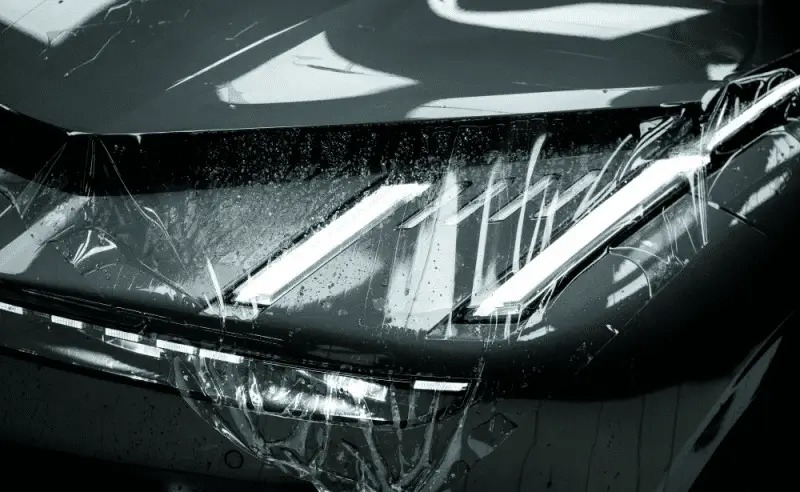
It would also help if you could specify a brand (Lubrizol, Covestro, Huntsman, etc.) and the TPU particle grade you’re looking for. This helps narrow down your options and see how flexible the supplier is in meeting client demands.
Additionally, ask if the PPF supplier can provide a purchase certificate from the original manufacturer or batch numbers for every purchase. These factors will make traceability easier and faster if there’s a problem with a specific order.
Coating Technology
Next, explore the coating technology PPF manufacturers use in their paint protection film products, along with the techniques they implement in creating them. These include:
- What problems do self-healing, hydrophobic, and UV-resistant coatings solve,
- How they apply the specific coatings on their PPF, and
- The difference between their single coating and two-stage curing PPFs, as well as the cost difference (Note: cost difference should be within 20% to 30%)
If possible, request a sample to test the coating quality of their PPFs.
Adhesive System
Adhesion is another crucial factor in selecting the best paint protection film for your brand. Ideally, the PPF should not only be easy to apply but must also stay long after installation without gradual peeling.
Look for a PPF with adhesives that have low initial tack positioning. This will allow end-users to repeatedly apply the film and efficiently remove air bubbles with minimal issues.
Additionally, check for the film’s peel force data and the expected changes after aging.
Thickness Options
Top-grade paint protection film should meet the right balance between quality and thickness. Review the thickness of their PPFs to make sure they match your brand requirements. Some things to look out for are:
- Thickness tolerance (preferably ± 10μm)
- Shrinkage levels after long-term use (ideal shrinkage range of <1% after 48-hour exposure to 90°C heat)
Additionally, it will help you inquire about which scenarios are suitable for 6mil, 8mil, and 10mil PPFs. Their knowledge and expertise in this area will help you make proper decisions when sourcing the products.
Also, remember that thicker isn’t always better when it comes to paint protection films. Thicker films tend to be more difficult to install, leading to a lower yield.
Certifications & Testing
Claiming the quality of their PPF is one thing, but reliable paint protection film manufacturers can back their claims up with certificates and tests. Don’t hesitate to request test results from the supplier, as this will tell you a lot about their PPFs. You can also try asking for samples that you can test through third parties to get accurate results.
Tests That Prove Quality
Certain tests will reveal the truth about the paint protection film and will help you evaluate if the film matches your strict requirements. Here are several aspects of the PPF that you should review to see the extent of their performance.

- Yellowing resistance: as the film will be constantly exposed to heat, UV rays, and other elements, it should have high resistance to yellowing or discoloration. The QUV testing should be followed for testing this parameter.
- Resistant to hydrolysis: vehicles are also exposed to rain and cold weather; the PPF must have the right properties to withstand long-term water exposure and humidity without any changes.
- Tensile strength and elongation at break: another factor to inspect is the tensile strength of the PPF, which will determine how easily it breaks when stretched during installation. Higher tensile strength means it can be stretched multiple times without breaking, leading to more yield.
Alongside the main testing factors, you may conduct these tests to further evaluate the capabilities of the PPF before committing to a specific PPF manufacturer.
Physical dimensions and appearance:
1. Width
2. Total thickness / Substrate thickness
Optical performance:
1. Light transmittance
2. UV blocking rate
Surface properties:
1. Repair (heat repair after scraping with a copper brush)
2. Scratch resistance (oil-based pen erasure)
3. Oil-resistant pen performance
4. Carburetor resistance performance (cleaner swelling test)
5. Adhesive strength (initial tack, holding power)
Mechanical properties:
1. Tensile strength
2. Tear resistance
3. Puncture resistance
4. Elongation at break
5. Elongation at break of the repair layer
6. Elastic modulus
Optics and Surface Physics
1.60° Surface gloss
2. Haze
3. Water droplet angle (contact angle)
Adhesion and Durability
1. Adhesion of the mounting layer (100-cross cross-cut adhesion test)
2. High and low temperature cycling test (-30℃~80℃)
3. Acid and alkali resistance (immersion in solution with pH 2~13)
4. Rain-resistant (washable after outdoor placement)
5. Aging resistance (QUV ultraviolet aging 3200 hours)
Third-Party Certifications
Certifications prove that the PPF does match international standards for quality and consistency. As a rule of thumb, ask your potential PPF supplier for certificates to support their claims of quality. Common certifications for reliable PPF manufacturers include the following:
ISO 9001 – the gold standard in quality management systems
IATF 16949 – the highest standard for quality management in the automotive industry. Manufacturers that have this certificate are more reliable, as they have a better understanding of the market.
SGS / TÜV test report – the PPF manufacturer or supplier must have the actual report handy, not just state that their products are “ready for submission.”
REACH, RoHS, and VOC – these are ideal certifications for exporting products, with VOC focusing on the EU.
Batch Consistency & In-House Testing
While these are non-negotiables, asking about these factors will show the manufacturer’s dedication to providing the best products to their clients. It also cements their commitment to excellent service throughout the partnership.
Ask if the supplier owns and operates a laboratory for testing, and how frequently they conduct the tests. Do they do it per batch or per shift? Also, request the bulk shipment inspection records for the last three months if they are available.
Business Terms

Whether it’s your first time screening for a PPF supplier or had long-term partnerships with global manufacturers, it’s best to learn the terms the market uses in conducting business. Do note that certain suppliers may use different terminologies, so it’s best to have a general grasp of these terms.
MOQ & Sample Policy
Short for Minimum Order Quantity, it refers to the minimum amount of product a manufacturer will require to proceed with an order. The quantity may vary per supplier, with some asking for a higher amount than others.
A sample policy, on the other hand, is all about the rules a manufacturer has when requesting PPF samples. Some suppliers may cover the entire cost of the sample, while others may charge for the shipping fee. Additionally, they may have a certain quantity cap for samples that they can send over.
Lead Time & Stock Availability
The timeframe manufacturers need to complete each order is what we call “Lead Time.” This depends on several factors, including order quantity, any customization requests, and material availability.
Speaking of availability, stock availability is the term used to indicate that a certain product is in stock. Typically, products in stock ship faster than those not in stock, which makes order fulfillment faster.
OEM / Private Label Support
While both product development methods have similarities, OEM and private labeling have key differences that set them apart.
OEM or Original Equipment Manufacturing requires you to provide the design and parameters of the product for the manufacturer to follow. Clients retain complete ownership of the final product and are in full control of the production process, with manufacturers requiring your approval to make any changes.
Conversely, in private labeling, clients use pre-existing designs and products made by the manufacturer and apply changes like logos, designs, and other customizations according to their preference. While this process is typically faster, clients have no control over the quality and consistency of the final product.
Payment Terms
It’s important to discuss the payment terms before finalizing a partnership agreement with a paint protection film manufacturer to ensure the order goes as smoothly as possible. Not all manufacturers follow the same payment term structure: some may require a 50% down payment, while others may only need 20%. Additionally, some may agree with a long-term payment plan, though some will prefer full payment upon shipment.
Warranty Coverage
A warranty coverage is a client’s assurance that the manufacturer will provide after-sales support if something goes wrong with the product. While most PPF manufacturers offer a warranty service, the specifics of the coverage widely vary per provider.
For example, CYD Film has a comprehensive warranty coverage for any issue encountered when using the PPF. Coverage includes concerns about:
- Material of manufacturing defects like adhesive failure, peeling, cracking, bubbling, blistering, delamination, yellowing, and hydrolysis
- Original paint limitations
Technical Support & After-Sales Service
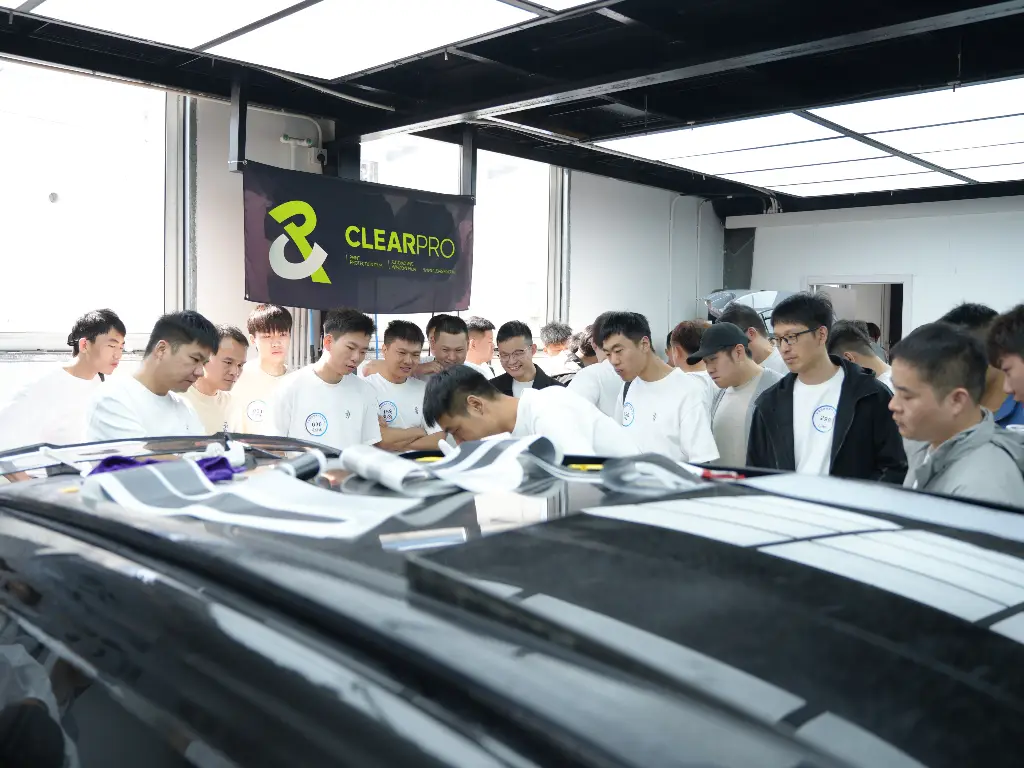
Establishing a long-term partnership with a paint protection film manufacturer means interactions don’t end once the product leaves their warehouse. A partner supplier should provide after-sales support and technical assistance to help you and your customers maximize the PPF’s utility.
Technical Data Sheet (TDS) & Installation Guide
Along with the paint protection film, you can check if the manufacturer provides a technical data sheet that details key information about the product. They could also provide a quick installation guide showing how to use the film via physical documents or videos, along with some best practices.
Training & Troubleshooting
While not all manufacturers do this, it would be best to choose a sourcing partner that offers a training program for you and your customers. This could be done via training videos or on-site training, depending on which is more available. Training staff can also address some basic and advanced troubleshooting for any issue installers may encounter while using the film.
Warranty Terms
It’s ideal to fully understand the manufacturer’s warranty terms and coverage to know how your investment is protected. As mentioned earlier, certain manufacturers may offer different warranty coverage, so do note what they offer and what is not covered.
After-Sales Support
A staple for trusted paint protection film suppliers, their after-sales team is responsible for addressing all inquiries and concerns once an order is completed. They act as your point person, handling issues with speed and efficiency via phone call, email, or chat.
8 Questions to Ask Before Talking Price
Here comes a critical part of the discussion: knowing what questions to ask your potential paint protection film supplier. Remember that even if they offer a good price, the manufacturer might still not be a good fit if they fail these questions.
Question 1: What is the brand and grade of your TPU particles? Can you provide the batch number for traceability?
As mentioned in the first part of this article, quality and traceability are vital components of any PPF. Knowing the materials the manufacturer uses speaks volumes about your potential partnership. Having the batch number handy also makes tracing orders faster in case a defect is identified.
Question 2: Please provide the QUV yellowing resistance test report (3000h ΔE value) for the most recent batch of bulk goods.
Requesting a quality testing report for a recent batch of PPF will tell you a lot about how the manufacturer maintains their production standards. This also reveals the consistency of their products, which will be important for long-term sourcing.
Question 3: Is your adhesive permanent or repositionable? What is the peel strength in g/inch?
Checking the quality of the adhesive used in the PPF will help you understand the product’s capabilities and know if it matches your branding and customers’ needs. The better and more flexible the adhesive material is, the easier it is for end-users to apply the film.
Question 4: What is your factory’s monthly production capacity? What are the current order backlogs for?
Knowing the production capacity of a potential partner manufacturer sets proper expectations for wait times once an order is placed. If they have a huge backlog or take a long time to fulfill orders, it might cause delays on your end, which is not good for business.
Question 5: What are the minimum order quantity and sampling process? How long does the sampling lead time?
Order minimums will influence your budget and sourcing process, so it’s best to know what the manufacturer’s minimum order limits are before you start. Sampling also takes some time to complete, which can affect production timelines.
Question 6: What is your return/exchange process for glue marks, orange peel texture, or excessive thickness upon receiving the goods?
This is an important factor to discuss with your future manufacturing partner. Regardless of the manufacturer’s production expertise, defects are bound to happen. As such, it helps to know how their return and replacement process goes before signing on the dotted line.
Question 7: What technical documentation (TDS, installation videos, warranty card templates) do you provide?
More on the post-production side of the process, these documents and guides show a manufacturer’s dedication to the success of their partner. The more support they provide, the more they are invested in your success.
Question 8: Could you provide me with 2-3 existing clients whose businesses are similar to mine for telephone interviews?
Talking to previous or current clients gives you a better perspective on how the manufacturer handles partnerships. Their insight can reinforce their integrity and ensure you’re working with an industry expert.
Walk Away If You See These Suppliers
After looking at some questions to ask that will help you get to know the manufacturer better, let’s now look at some signs you should not ignore. Failing to identify the red flags early on can drastically affect your brand as a whole later on. Some of these signs include:
- Claiming materials are imported, but they can’t provide the original TPU certification. Missing this document may mean that they’re using recycled materials.
- Failure to provide or giving an outdated testing report. This may be a sign that the manufacturer hasn’t had a stable production cycle.
- If the price is too low than the market average (e.g., 40% lower), they may be substituting materials, coatings, and adhesives with lower-quality ones.
- No physical warranty coverage document or missing details in the contract make reaching technical support vague at best, impossible at worst.
- Not open to providing samples or asking exorbitant sample fees is a clear indicator that the manufacturer can’t handle mass production.
- A fresh website or online store that’s less than a year old is equal to a bright red flag. Websites can be made in minutes, and this means they have no established foundation.
- Inability or refusal to provide references may mean that either they have no existing customer base or previous customers were not happy with their service.
- Vagueness in the technical aspects of their product shows a lack of expertise in the field or great reliance on guesswork.
Elevate Your Business with the Right PPF Supplier
A paint protection film supplier is not just a source of product for your business but mainly a partner that could make or break your brand. The product they provide will be what your customers use and experience, thus reflecting your brand as a whole. As such, you must choose the right manufacturer that matches your business needs.
During your selection process, make sure to inspect the quality of the products they offer, ask for samples, and run third-party tests if needed. Moreover, take time to ask pertinent questions to better understand the manufacturer and see if your values and practices match. Lastly, keep an eye on potential red flags, as it’s better to deal with them now than later.
If you’re looking for a trusted paint protection film supplier, your search ends with CYD Film. We’re seasoned manufacturers with years of experience and hundreds of satisfied clients. Contact us today for a free consultation!